Natural Remedies to Ease High Fever at Home
When a high fever strikes, it can feel like your body’s in a relentless battle, much like a fire raging out of control. Instead of relying solely on medications, you can explore natural remedies that promote comfort and support healing. From soothing herbal teas to cooling techniques, there are effective methods to contemplate. Let’s uncover what you can do to ease your discomfort and regain your well-being amidst this challenge.
Understanding High Fever
When you have a high fever, it’s your body’s way of signaling that something isn’t right, often indicating an infection or illness.
While high fever can be uncomfortable, understanding its purpose is essential. Your body raises its temperature to help combat pathogens.
For high fever natural relief, stay hydrated, rest, and use cool compresses to aid your recovery.
Always consult a healthcare professional if needed.
Herbal Remedies for Fever Relief
If you’re looking for natural ways to alleviate a high fever, herbal remedies can offer effective support.
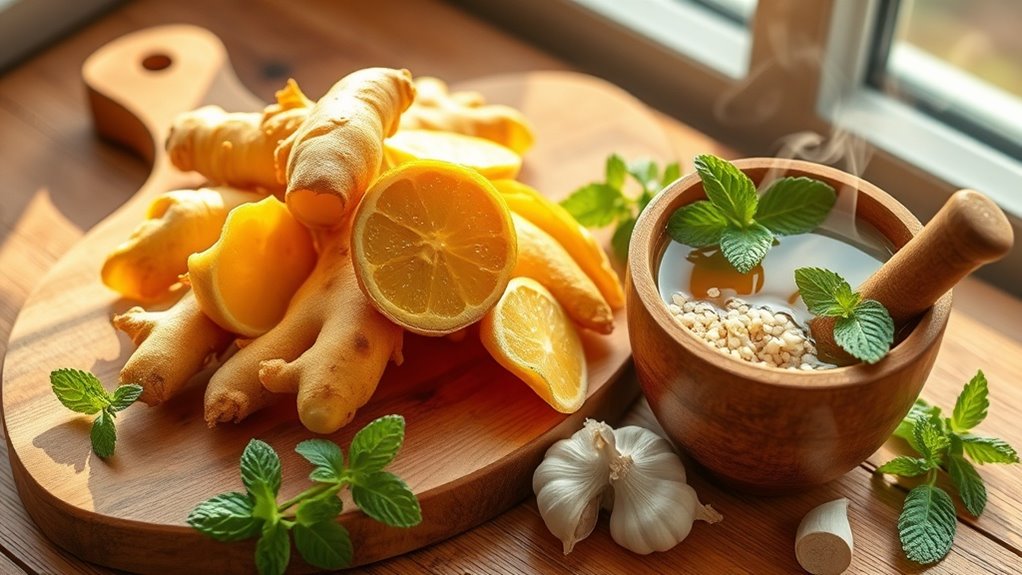
Consider using elderflower, known for its sweat-inducing properties, or peppermint, which can cool the body.
Ginger tea is another great option, helping to boost circulation. Additionally, natural fever reducers, such as ginger and chamomile, can promote comfort during illness.
Always consult a healthcare professional before trying new herbs, especially if you’re on medication or have underlying health conditions.
Importance of Hydration
Here’s why staying hydrated is essential:
-
Regulates body temperature – Keeps your body cool as it fights off infection.
-
Supports immune function – Fluids help your body function effectively.
-
Prevents complications – Reduces the risk of dehydration-related issues.
-
Staying hydrated also enhances immune response by providing essential nutrients for your body to combat illness effectively.
Cooling Techniques and Body Temperature Management
When you’re managing a high fever, cooling techniques can make a significant difference.
Start by focusing on hydration and fluid intake, which helps regulate your body temperature. Additionally, applying cold compresses and ensuring a comfortable room temperature can provide immediate relief. Using a cool, damp cloth on your forehead can also help lower body temperature effectively.
Hydration and Fluid Intake
Staying hydrated is essential for managing a high fever, as your body loses fluids through sweating and increased metabolic activity.
To maintain proper hydration, focus on:
- Water: Drink plenty of clear water throughout the day.
- Herbal teas: Opt for soothing options like chamomile or peppermint.
- Broths: Enjoy warm chicken or vegetable broth for additional nutrients and hydration.
Keep sipping!
Cold Compress Application
As you focus on hydration, consider using cold compresses to help lower your body temperature during a high fever.
Soak a clean cloth in cold water, wring it out, and apply it to your forehead, wrists, and neck. This technique draws heat away from your body, providing relief.
Repeat as needed and guarantee the cloth remains cool for the best effect.
Comfortable Room Temperature
Creating a comfortable room temperature can greatly help manage a high fever. Here are a few cooling techniques to take into account:
-
Adjust the thermostat: Keep the room cool, ideally around 68°F (20°C).
-
Use a fan: Circulate air to enhance evaporation and promote cooling.
-
Block sunlight: Close curtains or blinds to prevent heat buildup.
These steps can make you feel more at ease during your recovery.
Dietary Considerations for Fever
When fever strikes, your diet plays a crucial role in supporting your recovery. Focus on light, easily digestible foods like broth, rice, and bananas.
Stay well-hydrated with water, herbal teas, and electrolyte-rich drinks to prevent dehydration. Avoid heavy, greasy meals that can strain your body.
Incorporating immune-boosting foods like fruits and vegetables can also help speed up your healing process. Additionally, sipping warm herbal teas with soothing ingredients can further provide relief and comfort during illness.
Monitoring and When to Seek Medical Attention
When dealing with a high fever, it’s essential to monitor any signs of serious illness, such as difficulty breathing or persistent vomiting.
If you notice these symptoms or the fever lasts more than a few days, it’s time to visit a doctor. Staying alert to your body’s signals can help you take the right steps for your health.
Signs of Serious Illness
How can you tell if a high fever signals a more serious illness? Watch for these signs:
-
Persistent high fever (over 103°F or 39.4°C) for more than three days.
-
Severe headache, rash, or difficulty breathing.
-
Confusion, irritability, or extreme fatigue.
If you notice any of these symptoms, it’s vital to monitor closely and consider seeking medical attention soon.
When to Visit Doctor
Monitoring a high fever is important, especially if you notice signs of serious illness. If your fever exceeds 103°F (39.4°C), persists for more than three days, or accompanies severe headaches, rash, or difficulty breathing, seek medical attention immediately.
Also, if your child appears unusually irritable or lethargic, don’t hesitate to consult a doctor. Your health matters, so prioritize it.